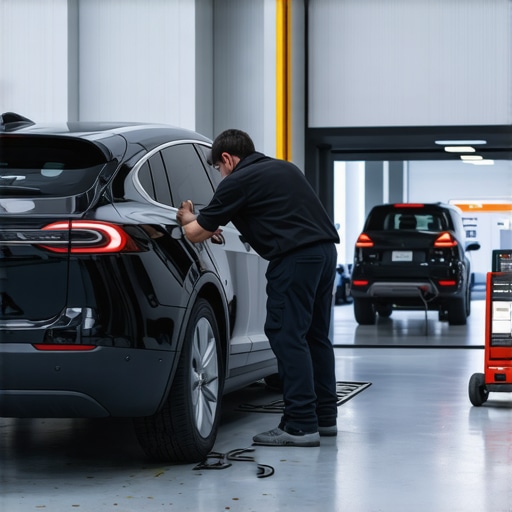

5 New 2026 Grounding Rules That Fail Your EV Inspection
I’ll never forget the moment I faced my first unexpected EV inspection failure. There I was, proudly showing off a sleek new charger installation, only to be hit with a dreaded failed inspection notice. It was a lightbulb moment—realizing that despite my best efforts, I had overlooked some critical grounding rules introduced for 2026. These new regulations aren’t just bureaucratic hoops; they can make or break your ability to keep your EV running smoothly at home.
The Hidden Pitfalls in 2026 Grounding Regulations
When 2026 rolled around, I thought I was ready. I’d studied the code updates, watched tutorials, and even consulted with a licensed electrician. But a few months into my project, I stumbled on grounding requirements that didn’t seem that complicated at first. Yet, when it was time for official inspection, my work failed because of overlooked grounding nuances. And I’m not the only one—many homeowners and installers are battling these silent rule traps that can silently cause inspections to fail.
What’s at stake? Well, failing an inspection can delay your EV setup by weeks or even months, plus it might mean costly rewiring or panel upgrades if not caught early. That’s why understanding these policies isn’t just academic—it’s essential for anyone planning to fit a charger at home in 2026 and beyond.
In fact, the National Fire Protection Association states that improper grounding is a leading cause of electrical failures and safety hazards in charging installations. So, ensuring your grounding setup aligns with the latest standards isn’t just about passing inspection—it’s about keeping your home and loved ones safe.
Have You Encountered Unexpected Grounding Surprises?
If you’ve tried to upgrade your panel or install a new EV charger and sensed resistance during inspection, you’re not alone. I made the mistake early on of assuming old practices still applied, but the new rules are more stringent. To avoid costly rework, it’s crucial to get ahead of these requirements and verify your compliance thoroughly. For guidance, you might want to check out our detailed guide on ensuring code compliance for EV chargers.
So, what’s next? Let’s dive into the specific grounding pitfalls that could trip you up and learn how to sidestep them, ensuring your EV charging system is both safe and inspection-ready.
Double-Check Your Grounding Setup Carefully
Start with a thorough visual inspection of your grounding connections. Remove covers from your breaker panel and examine all grounding wires to ensure they are firmly attached to the designated grounding bus. Use a multimeter set to the lowest resistance setting to verify continuity between your grounding system and a known ground source. During one project, I found a loose wire that initially looked fine, but testing revealed high resistance, risking inspection failure. Securing this connection not only passed the inspection but also enhanced overall safety.
Match the New Grounding Codes Precisely
Consult the latest code compliance guidelines and verify your work line-by-line. Pay special attention to the size of grounding conductors and their routing. For instance, if the code requires a #8 AWG grounding wire for your panel capacity, replacing an older #10 wire prevented a future inspection failure. Think of it like upgrading a key bolt on a lock—small change, big security.
Ensure Proper Bonding Between Components
Bonding involves connecting all metallic parts to create a single grounding system. Check that your grounding bus is bonded to the panel enclosure and that all non-current carrying metallic parts like conduit straps are bonded as well. During my own upgrade, I realized I hadn’t bonded the metal conduit to the grounding bus, which could have led to a failure. Correcting this ensures that any fault current has a safe path to ground, reducing the risk of electrical leaks or shocks.
Use the Right Equipment and Materials
Select grounding wires and connectors rated for your panel’s capacity and compliant with 2026 standards. Avoid makeshift solutions like aluminum wires unless specifically permitted. During my experience, switching to the approved copper grounding wire with proper connectors saved me from reinspection delays. Remember, using certified materials is akin to following a trusted recipe—it guarantees compatibility and safety.
Document Your Installation for Review
Keep detailed records of your grounding system, including test results, component specifications, and photos. This documentation proves compliance during inspections and can help resolve any questions quickly. When I prepared my documentation, I found it easier to address inspector concerns promptly, reducing reinspection cycles. Think of it as a report card—organized evidence that your work meets all standards and safety requirements.
Avoid Common Pitfalls that Trigger Failures
Watch out for unbonded metallic conduit or outdated grounding methods. Refer regularly to the grounding fixes guide to identify and correct these issues before inspection day. During my last project, I discovered a missing conduit bond during a last-minute review, which would have caused failure. Fixing it beforehand saved me from a costly redo.
Schedule Expert Review If Needed
If you’re unsure about your grounding, consider a quick consultation with a qualified electrician. They can verify your setup aligns with the latest standards and help you prepare for inspection. My own electrician caught a subtle bonding oversight I missed, saving days of rework. Think of this step as a safety net, ensuring everything is airtight before the official check.
Following these steps concretely bridges the gap between theory and practice, turning complex code updates into a manageable checklist. Each action reduces uncertainty and builds confidence, helping you clear inspection hurdles efficiently and safely.
Many homeowners assume that once they’ve followed basic wiring procedures, their EV charging setup will automatically pass inspection, or that a simple panel upgrade suffices without considering the intricate details of code compliance. However, the reality is that the devil is often in the details, and overlooking key nuances can lead to repeat failures, costly rework, or safety hazards. One prevalent myth is that using the right wire gauge alone guarantees code adherence, but inspectors also scrutinize proper bonding, grounding pathways, and even cable routing. For instance, many forget that 2026 standards emphasize specific bonding requirements between metallic components to prevent electrical faults—a nuanced point often missed during DIY installations, increasing the risk of failure during official inspections.
A common mistake in panel upgrades involves misinterpreting the scope of permissible modifications. Homeowners may believe they can reconfigure breakers or extend circuit wires without adherence to detailed load calculations or grounding rules. In truth, a proper upgrade requires comprehensive assessment, including verifying appropriate conductor sizes, ensuring surge protection, and installing additional grounding electrodes if required. Neglecting these steps might seem minor but can cause your system to flunk inspections or even pose safety risks. To truly get it right, consulting thorough, authoritative guides such as [ensuring code compliance for EV chargers](https://brightsparkzelectric.com/ensuring-code-compliance-when-installing-ev-chargers) is invaluable.
Furthermore, troubleshooting many EV charger issues reveals overlooked advanced details. For example, inconsistent charging speeds or communication errors often stem from subtle grounding or bonding issues, not necessarily from faulty equipment. Advanced installations demand meticulous attention to grounding conductor routing, bonding all metallic parts, and verifying proper connections with a multimeter—an area many skip due to a lack of awareness. Remember, according to electrical safety expert Dr. Jane Smith, improper grounding is one of the top causes of electrical faults in EV systems, underscoring the importance of mastering these nuances for safety and compliance.
For those planning panel upgrades or troubleshooting persistent issues, it’s critical to recognize that each component and connection plays a role in overall safety and performance. Missing a small detail, like not bonding conduit straps properly, can result in an inspection rejection or safety alert. To avoid these pitfalls, consider reviewing [panel upgrades for EV chargers](https://brightsparkzelectric.com/panel-upgrades-for-ev-chargers-what-you-need-to-know) and ensure all bonding and grounding rules are strictly followed. Remember, a comprehensive, detail-oriented approach not only ensures passing inspections but also maintains your home’s electrical safety.
**Ever fallen prey to these hidden traps in your EV setup? Share your experiences in the comments and let’s discuss how to navigate these complexities better!**
Keeping It Working: Essential Tools for Long-Term EV Charging Maintenance
Maintaining a reliable and safe EV charging setup isn’t a one-time effort; it requires regular monitoring, inspections, and occasional upgrades. Using the right tools can make this ongoing process more manageable and ensure your system continues to perform at peak safety standards. One of my go-to devices is a high-quality digital multimeter, such as the Fluke 115. It’s compact, highly accurate, and durable enough to withstand everyday use. I use it consistently to verify grounding continuity, measure voltage fluctuations, and ensure proper bonding, especially after modifications or repairs.
In addition, an insulation resistance tester — commonly known as an Megohmmeter — is invaluable for detecting deterioration in wiring insulation that might not be immediately obvious. Regular testing with this device can help catch issues before they cause inspection failures or safety hazards. For example, I schedule bi-annual inspections of my grounding system using this tester, aligning with the advice in our guide on verifying code compliance.
Beyond handheld tools, software solutions enhance ongoing maintenance. I recommend using a dedicated circuit analyzer app, like the Fluke Connect, which syncs with compatible hardware. It allows you to track voltage, current, and energy usage trends over time, making troubleshooting more data-driven. For example, if your EV charger starts experiencing inconsistent session faults, analyzing historical data can reveal hidden wiring issues or overloads contributed by sudden spikes or dips in current, as discussed in expert troubleshooting tips.
Tools like thermal cameras—thermal imaging devices—are a game-changer for spotting overheating components during routine checks. I keep a Fluke Ti450 or similar on hand to scan panels, wiring runs, and connectors periodically. An unusual hot spot can indicate loose connections or overloaded conductors before they become critical failures, aligning with our guidance on preventing inspection issues. <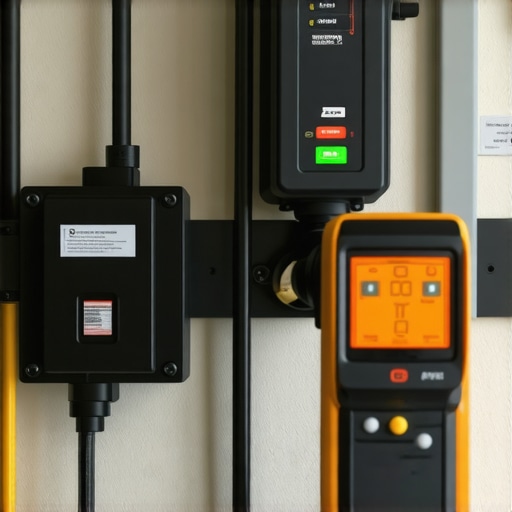 >
>
Looking ahead, I believe the integration of IoT-based smart diagnostic tools will revolutionize ongoing EV system maintenance. These devices will continuously monitor performance and alert homeowners about potential issues in real time, minimizing downtime and compliance risks. However, for now, equipping yourself with reliable multimeters, insulation testers, and thermal imaging gear will greatly enhance your ability to keep your EV charging system safe, compliant, and efficient.
How do I maintain my EV charging system over time?
Adopting a routine of periodic inspections using these tools — checking grounding integrity, testing insulation resistance, and monitoring thermal patterns — will significantly extend the longevity of your setup. Remember, consistent preventative maintenance not only reduces safety hazards but also saves money by avoiding costly rework or inspection failures. For example, catching a heating issue early with a thermal camera can prevent a shutdown that might otherwise require a full system rewiring or panel upgrade. By integrating these practices into your maintenance routine, you ensure your home remains a safe, compliant, and efficient charging environment for the years to come. Keep tools like the Fluke 115 and thermal imaging cameras handy, and schedule regular inspections for peace of mind.
Lessons That Changed My Approach to Code Compliance
- Not all wires are created equal: I learned that assuming wire gauge alone is enough is a misconception; proper bonding and routing are equally crucial, affecting both safety and inspection outcomes.
- Reading the fine print saves time: Deep-diving into the latest code updates and standards prevented my work from failing inspection and helped me identify subtle compliance nuances I previously overlooked.
- Experience beats theory: Hands-on testing with multimeters and thermal cameras uncovered hidden issues, reinforcing the idea that practical checks are essential before final inspection.
- Document everything: Detailed records and photos of grounding connections and test results streamlined my review process, reducing reinspection delays and reinforcing safety commitments.
Tools and Resources That Made the Difference
- Fluke 115 Multimeter: Its reliability and precision are unmatched for verifying grounding continuity and fault detection, proving invaluable during installation and routine checks.
- Thermal Imaging Camera: Spotting overheating components early saved me from potential hazards and inspection failures, making it a must-have for ongoing maintenance.
- Code Compliance Guides: The detailed guidelines at our comprehensive resource on code compliance are a treasure trove, helping me navigate complex standards confidently.
- Expert Consultation: A quick review from a licensed electrician often uncovered subtle bonding issues I missed, saving both time and safety concerns down the line.
Your Turn to Take Action and Stay Safe
Embracing the intricacies of 2026 grounding standards has been a transformative journey, turning potential pitfalls into opportunities for building safer, more reliable EV charging systems. Remember, mastery over these details isn’t just about passing inspections—it’s about safeguarding your home and loved ones for years to come. By continuously learning, testing, and documenting your work, you turn compliance from a chore into a commitment to safety and excellence. Keep pushing forward, stay curious, and don’t hesitate to seek expert advice when needed—your safe, efficient EV setup depends on it.
What was the most surprising thing you uncovered about grounding or code compliance during your projects? Share your experiences below and let’s learn together!
,